How Virtual Power Plants Let You Monetize Your Solar Investment
Solar & Renewable Energy
Home solar systems used to have a simple job: produce electricity during the day and reduce the monthly utility bill. That role is changing fast. As battery storage becomes more common, utilities now see homes as small but valuable energy assets. When thousands of these systems work together, they form what is known as a Virtual Power Plant.
A Virtual Power Plant, often shortened to VPP, connects individual home batteries into a single coordinated network. Instead of energy flowing only from large power stations to houses, electricity can now move in both directions. This shift allows homeowners to earn money from the storage they already own while helping stabilize the wider grid.
What a Virtual Power Plant Really Is
A Virtual Power Plant is not a physical building or facility. It is a software-driven system that links many independent batteries spread across a city or region.
How the Network Operates
Each participating home keeps full control of its own system, but a small portion of stored energy is made available to the VPP operator. When electricity demand rises sharply, the operator sends a signal to the network. Every battery contributes a small amount of power at the same time, creating the effect of a traditional power plant without burning fuel.
This process happens automatically. Homeowners do not need to flip switches or monitor events. The software ensures the battery never drops below a preset reserve level.
Why Utilities Rely on VPPs
During peak demand, utilities often depend on backup generators that are expensive and inefficient. Virtual Power Plants offer a cleaner and faster alternative.
They help utilities by:
- Reducing strain on the grid during extreme weather
- Avoiding the need for emergency power generation
- Improving reliability in neighborhoods with aging infrastructure
In return, utilities share part of the financial benefit with participating homeowners.
Turning Battery Storage Into Income
The main appeal of joining a VPP is the ability to earn money from a solar battery that might otherwise sit idle most of the year.
How Payments Are Structured
Payment models vary by region and provider, but most programs fall into a few common categories.
- One-time enrollment incentives
- Annual participation credits
- Performance-based payments tied to energy discharged during grid events
In many areas, total annual earnings range from a few hundred dollars upward. The amount depends on how often the grid needs support and how much energy the battery can safely provide.
Setting Financial Expectations
VPP participation is best viewed as a way to shorten the payback period of a battery system rather than a new income stream. A battery installed for backup or self-consumption can gradually recover part of its cost through these programs.
For homeowners already planning to install storage, VPP access can make the investment easier to justify over time.
Hardware and Connectivity Requirements
Not every solar system qualifies for VPP participation. Compatibility and communication are critical.
Battery and Inverter Compatibility
Most major battery brands now support VPP programs, but older systems may not. The battery must be able to communicate with external software and respond quickly to dispatch signals.
A stable internet connection is required. Without it, the system cannot coordinate with the network or report energy flow accurately.
Utility Approval and Metering
Utilities usually require special approvals before allowing energy to flow back to the grid from a battery. This process often includes:
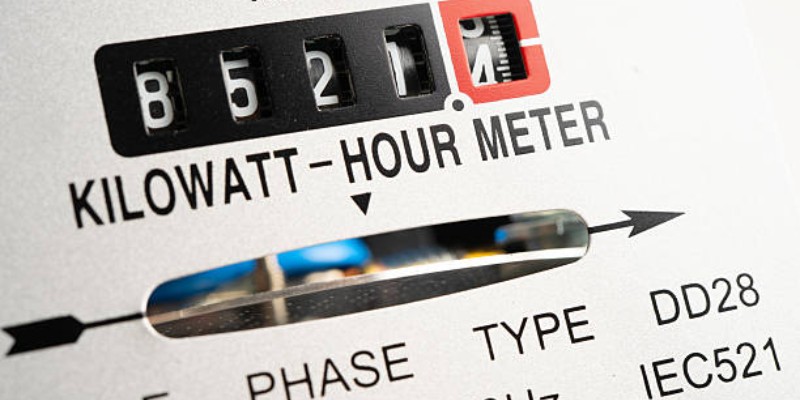
- A bi-directional meter installation
- An interconnection agreement
- System inspections
These steps can take weeks or even months, depending on local processes and backlogs.
How Grid Events Affect Your Home
VPP events occur when the grid is under stress, often during very hot or cold days.
Frequency and Duration of Events
Most programs activate only a limited number of times per year. A typical season might include several short events rather than daily participation.
During an event, the battery may:
- Discharge energy directly to the grid
- Power the home to reduce grid demand
Homeowners usually do not notice any change unless they closely monitor their system.
Managing Battery Reserves
Participants can set a minimum reserve level. This ensures the battery always keeps enough energy for household needs or backup power.
Higher reserves mean less energy available for the VPP, which can reduce earnings. Lower reserves increase participation but leave less stored energy on hand. Finding the right balance is a personal decision based on local outage risks.
Long-Term Trade-Offs to Consider
While VPP participation offers benefits, it also introduces new considerations that should not be ignored.
Battery Wear Over Time
Lithium-ion batteries have a limited number of charge and discharge cycles. Using the battery more frequently through VPP events can slightly accelerate capacity loss over many years.
Modern batteries are designed for heavy use, but additional cycling does add wear. The financial return from VPP payments should be weighed against this gradual reduction in long-term capacity.
Warranty and Manufacturer Terms
Before enrolling, it is important to confirm that participation does not affect the battery warranty. Most major manufacturers allow VPP use, but coverage details vary.
Reviewing cycle limits and performance guarantees helps avoid surprises later.
Clearing Up Common Misunderstandings
Virtual Power Plants are often misunderstood, especially by homeowners new to energy storage.
Backup Power During Outages
A common concern is losing backup power during a blackout. In reality, VPP systems disconnect from the grid during outages. When the grid goes down, the battery switches to supporting the home only.
The utility cannot draw power when there is no stable grid connection.
Relationship to Net Metering
VPP participation does not replace net metering. Net metering compensates homeowners for excess solar production during the day. A VPP focuses on battery storage and grid support during peak demand.
Many homeowners benefit from both programs at the same time.
Control and Flexibility
Most programs allow homeowners to opt out of specific events if needed. This flexibility is useful during storms, gatherings, or other situations where backup power feels more important than grid support.
Regional Factors That Influence Earnings
Not all VPP experiences are the same. Local conditions play a major role.
Climate and Grid Conditions
Regions with extreme temperatures or high renewable energy penetration often rely more heavily on VPPs. In these areas, events may occur more frequently, leading to higher payments.
Areas with newer grid infrastructure or large utility-scale storage may use residential VPPs less often.
Utility Policies and Market Rules
Each utility sets its own rules, payment rates, and participation limits. This makes it difficult to compare earnings across states or service territories.
Understanding local terms is essential before enrolling.
Data and Safety Considerations
VPP participation adds another connected system to the home, which brings both benefits and responsibilities.
Installation and Electrical Safety
Any additional communication hardware should be installed by qualified professionals. Proper grounding and sizing are critical to handle increased discharge rates safely.
Energy Data and Privacy
VPP operators receive limited data about energy use and battery behavior. These systems are typically encrypted, but homeowners should be comfortable with the level of access involved. Regular software updates help keep systems secure and reliable.
The Bigger Picture for Solar Owners
Virtual Power Plants offer a practical way to extract more value from a solar and battery system that is already in place. While the financial return is modest, it helps offset installation costs and supports a more stable and efficient grid. Battery wear, reserve settings, and program terms all shape the outcome. With careful planning and realistic expectations, VPP participation can turn home energy storage into a quiet but useful financial contributor while keeping your home powered and protected.
Share this article:
Recommended For You



Most Viewed


ADVERTISEMENT